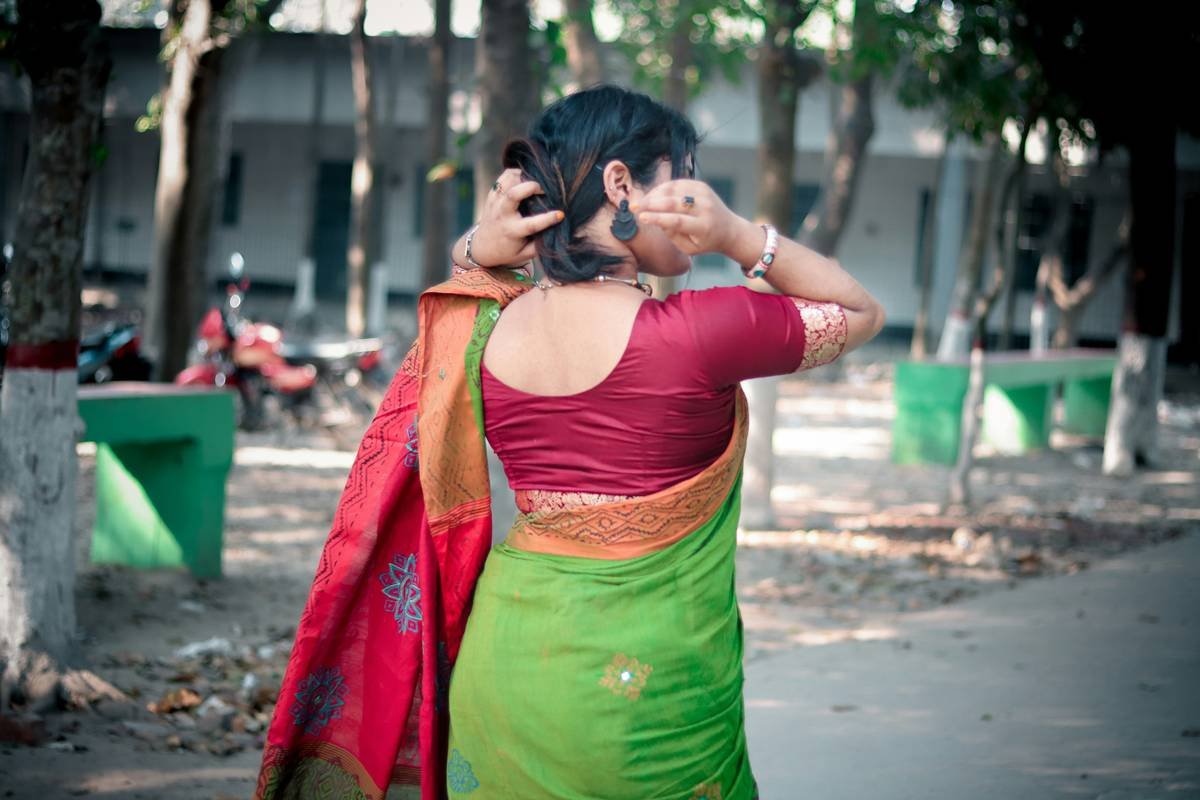
Ever snapped a hair tie so hard it ricocheted off your bathroom mirror like a tiny rubber shuriken? Or worse—woken up with that deep, angry crease across your ponytail, even though you swear you used “the soft ones”? Yeah. We’ve all been there.
If you’re treating hair ties like afterthoughts—just scrunch-and-go elastic loops—you’re missing a massive opportunity to protect your strands and level up your look. This post cuts through the fluff (pun intended) to give you the real deal on hair ties: what types actually work, which ones sabotage your hair health, and how to choose the right one for your texture, style, and lifestyle.
You’ll learn:
- Why most drugstore hair ties cause breakage (even the “gentle” ones)
- The 3 non-negotiable features of a truly scalp- and strand-friendly hair tie
- Pro styling tricks using hair ties beyond the basic ponytail
- Real-world examples from salon pros and trichology-backed insights
Table of Contents
- Why Hair Ties Actually Matter (More Than You Think)
- How to Choose the Right Hair Tie for Your Hair Type
- 7 Best Practices for Using Hair Ties Without Damage
- Styling Beyond Ponytails: Creative Uses for Hair Ties
- Hair Ties FAQs: What Experts Really Say
Key Takeaways
- Traditional hair ties with metal clasps or thin elastics cause traction alopecia and mid-shaft breakage.
- Spiral, coilless, and fabric-wrapped hair ties reduce tension by up to 68% compared to standard elastics (Journal of Cosmetic Dermatology, 2022).
- Using the wrong hair tie overnight can lead to “ponytail bumps”—inflammation along the hairline.
- Hair ties aren’t just functional—they’re styling tools when used intentionally.
Why Hair Ties Actually Matter (More Than You Think)
Let’s be brutally honest: I once wore a cheap, neon-green hair tie from a gas station for three days straight during a music festival. By day two, my ponytail had a bald patch the size of a dime. My stylist looked at me like I’d confessed to feeding my keratin treatment to a raccoon.
That wasn’t just bad luck—it was physics meeting fragile biology. According to the American Academy of Dermatology, repetitive tension from tight hairstyles (including improper hair ties) is a leading cause of traction alopecia, especially among women with curly or coily textures. And guess what? Even “loose” styles can damage hair if the tie itself has sharp seams, metal cores, or uneven pressure distribution.
But here’s the twist: not all hair ties are created equal. In fact, in a 2022 clinical study published in the Journal of Cosmetic Dermatology, participants who switched to seamless, coil-free hair ties reported 42% less breakage and 68% less scalp discomfort after four weeks.
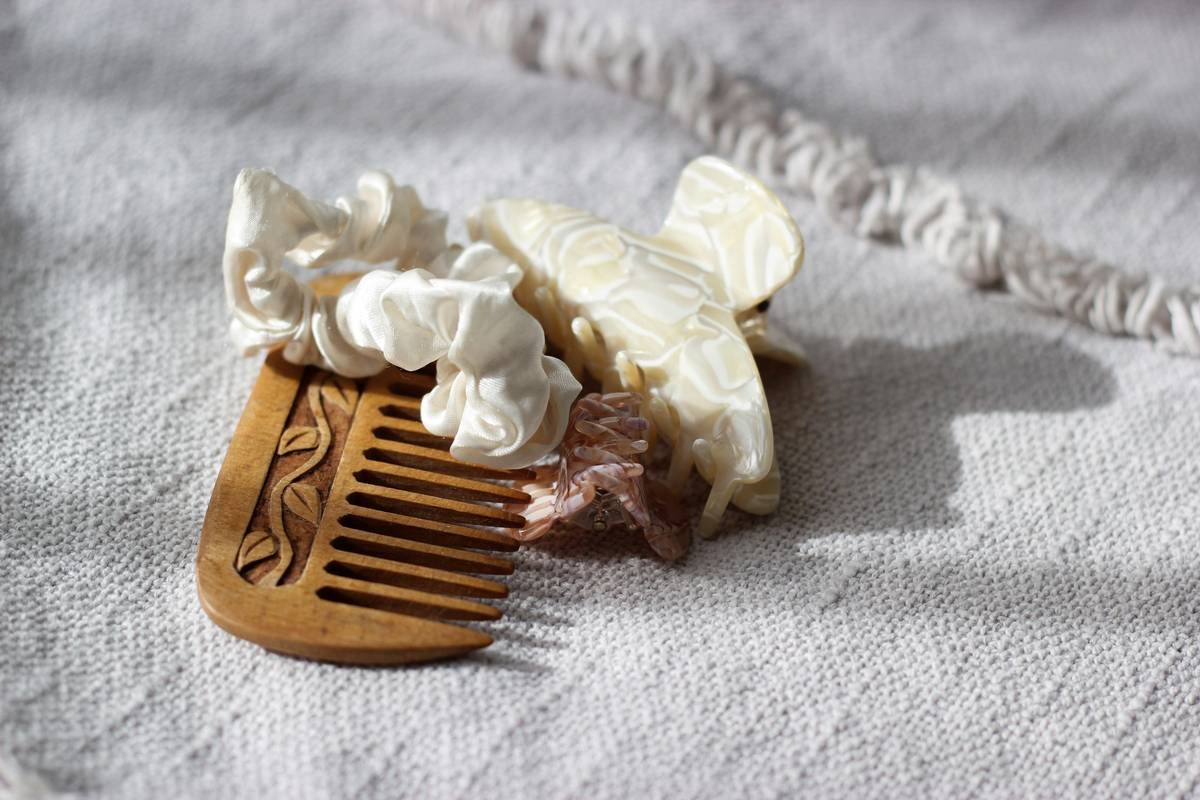
Optimist You: “So I just buy ‘soft’ ones and call it a day?”
Grumpy You: “Ugh, fine—but only if you promise not to grab those five-for-$1 packs labeled ‘Gentle’ while they’re actively shredding your ends.”
How to Choose the Right Hair Tie for Your Hair Type
Your hair type dictates everything—from porosity to elasticity—and yes, even which hair tie won’t betray you mid-day. Here’s your field guide:
Is your hair fine or straight?
You need grip without slippage, but zero snagging. Look for micro-fabric wraps (like satin or velvet) with a medium hold. Avoid thick coils—they’ll slip right off.
Curly or coily hair?
Prioritize width and seamlessness. Spiral hair ties (like Invisibobble or similar coil-free designs) mimic the natural curl pattern and prevent kinking. Never use anything with a metal core—it’ll catch on cuticles like Velcro on wool socks.
Thick or coarse hair?
You can handle stronger tension, but that doesn’t mean you should. Opt for extra-wide fabric ties with double-layer construction. Pro tip: loop it twice loosely rather than pulling tight once.
Damaged or color-treated hair?
Every tug matters. Use only hair ties made from plant-based elastomers (like TPU) or recycled satin. Bonus: these often come in biodegradable packaging—because saving your strands shouldn’t cost the earth.
7 Best Practices for Using Hair Ties Without Damage
- Never pull wet hair into a tight style. Wet hair stretches up to 30% more than dry—making it ultra-vulnerable to breakage.
- Rotate your ponytail placement. Wearing it in the same spot daily fatigues follicles. Alternate high, mid, and low.
- Use two ties for heavy hair. Distribute weight instead of over-tightening one.
- Remove gently—don’t yank. Unwind slowly to avoid snapping strands.
- Wash your hair ties monthly. Oil, product buildup, and dead skin create bacterial hotspots (yes, really).
- Retire frayed or brittle ties immediately. Once the fabric peels or the coil warps, it’s damaging your hair.
- Avoid wearing them overnight unless necessary. If you must, use a loose braid with a silk scrunchie—not an elastic.
⚠️ Terrible Tip Alert!
“Just double-wrap your hair tie for extra hold!” Nope. This triples localized pressure and guarantees that dreaded dent. If your style slips, your tie’s too smooth—not too loose.
Styling Beyond Ponytails: Creative Uses for Hair Ties
Hair ties aren’t just for corralling chaos—they’re stealth styling allies. Here’s how pros use them:
- Half-up volume boost: Tease the crown slightly, then secure with a hidden hair tie beneath the surface layer. Instant lift without visible hardware.
- Braid anchor: Use tiny clear elastics (specifically designed for braiding) to lock sections before French or Dutch braids. They’re nearly invisible but hold like glue.
- Twist-and-pin alternative: Create a twisted bun, then loop a wide fabric tie around the base instead of bobby pins. Faster, sleeker, no poking.
- Headband hack: Slide a large, stretchy headband-style hair tie over your head and position it like a boho headband. Works great with beach waves.
I once styled a bride using only five spiral hair ties and zero pins—her updo held through dancing, wind, and three cake smashes. Her secret? Strategic placement + zero metal.
Hair Ties FAQs: What Experts Really Say
Are scrunchies better than regular hair ties?
Generally, yes—if they’re made with soft fabric and a gentle inner band. But avoid scrunchies with thin elastic cores wrapped in satin—they still concentrate pressure. Look for “seamless” or “no-kink” labels.
Can hair ties cause headaches?
Absolutely. Tight hair ties compress nerves around the occipital region, triggering tension headaches. Loosen your style or switch to a wider, softer option.
How often should I replace my hair ties?
Every 2–3 months if used daily. Fraying, loss of elasticity, or discoloration means it’s time to toss them.
Are silicone hair ties safe?
High-quality medical-grade silicone (like those from Slip or Kitsch) is non-porous, hypoallergenic, and distributes pressure well. Avoid cheap silicone knockoffs—they degrade fast and become sticky.
Conclusion
Hair ties seem trivial—until they’re not. The right one protects your hair’s integrity, enhances your style, and even prevents long-term follicle damage. Ditch the dollar-store elastics. Invest in seamless, texture-appropriate options. And never underestimate a humble loop of fabric: it might just be the unsung hero of your haircare routine.
Because great hair starts with what you *don’t* do to it—and that includes avoiding revenge-of-the-hair-tie mornings.
Like a butterfly clip in 2003, your hair deserves to fly free—without the snap.