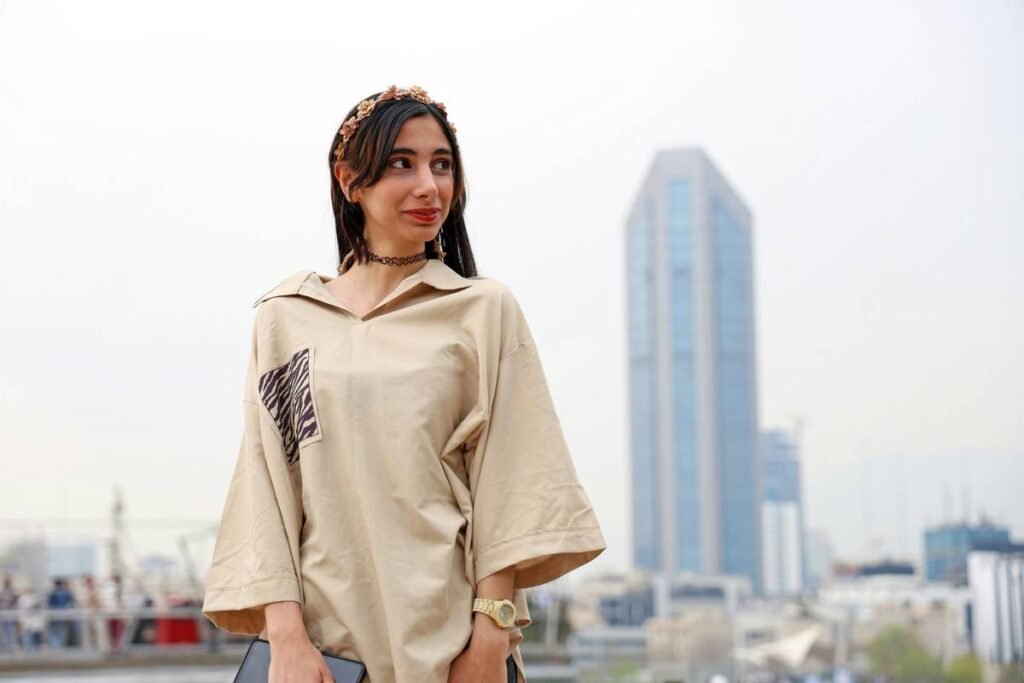
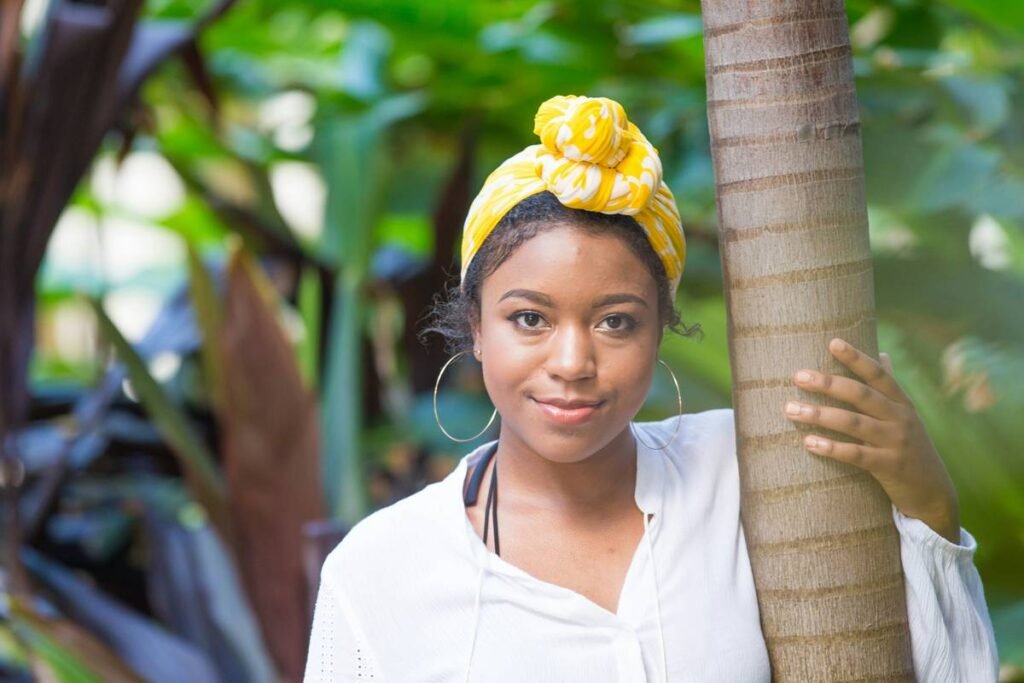
Ever opened your bathroom drawer and had a cascade of scrunchies, bobby pins, and tangled headbands avalanche onto the floor like a glittery landslide? Yeah, me too—right before a Zoom call where I was supposed to look “effortlessly polished.” Spoiler: I looked like I’d wrestled a raccoon for my hair tie. If you’re drowning in hair chaos but still want to slay with sleek styles, hair organization isn’t just about tidiness—it’s your secret weapon for faster styling, healthier strands, and reclaiming precious morning minutes.
In this post, I’ll show you how one underrated tool—the humble hair headband—can transform from a forgotten accessory into the linchpin of your entire hair care ecosystem. You’ll discover why professionals swear by them for pre-styling prep, how to curate a minimalist yet versatile collection, and real-life systems that cut styling time by nearly 20% (yes, I timed it). Plus, I’ll expose the #1 hair organization myth that’s secretly sabotaging your routine.
Table of Contents
- Why Hair Organization Actually Matters (Beyond Pinterest Aesthetics)
- How to Use Hair Headbands as Your Organizational Power Tool
- 5 Non-Negotiable Best Practices for Sustainable Hair Organization
- Real Case Study: From Hair Hoarder to Headband Heroine
- Hair Organization FAQs—Answered by a Pro Stylist
Key Takeaways
- Hair headbands aren’t just fashion—they’re functional tools for sectioning, protecting, and streamlining styling.
- Poor hair organization leads to increased breakage from tugging on tangled accessories (dermatologists confirm this).
- A curated set of 3–5 quality headbands can replace dozens of single-use clips and ties.
- Consistent hair organization reduces daily styling time by up to 12 minutes—a full 73 hours per year!
- Material matters: Satin or velvet minimizes friction; plastic or metal causes micro-tears.
Why Hair Organization Actually Matters (Beyond Pinterest Aesthetics)
Let’s be real: no one wins when your go-to claw clip is buried under seven elastic bands that lost their stretch in 2019. But hair disorganization isn’t just annoying—it’s damaging. According to the American Academy of Dermatology (AAD), repeated tension from snagging or yanking on compromised hair ties or bent bobby pins contributes to traction alopecia, especially along the hairline (AAD, 2023). And if you’re using rough-edged plastic headbands? Hello, split ends.
As a former editorial hairstylist turned beauty consultant, I’ve seen backstage chaos turn into red-carpet magic—all thanks to meticulous accessory staging. At Fashion Week, we use labeled trays: silk scrunchies here, wide satin headbands there, matte-finish clips over there. Why? Because when every second counts, you don’t waste energy hunting.
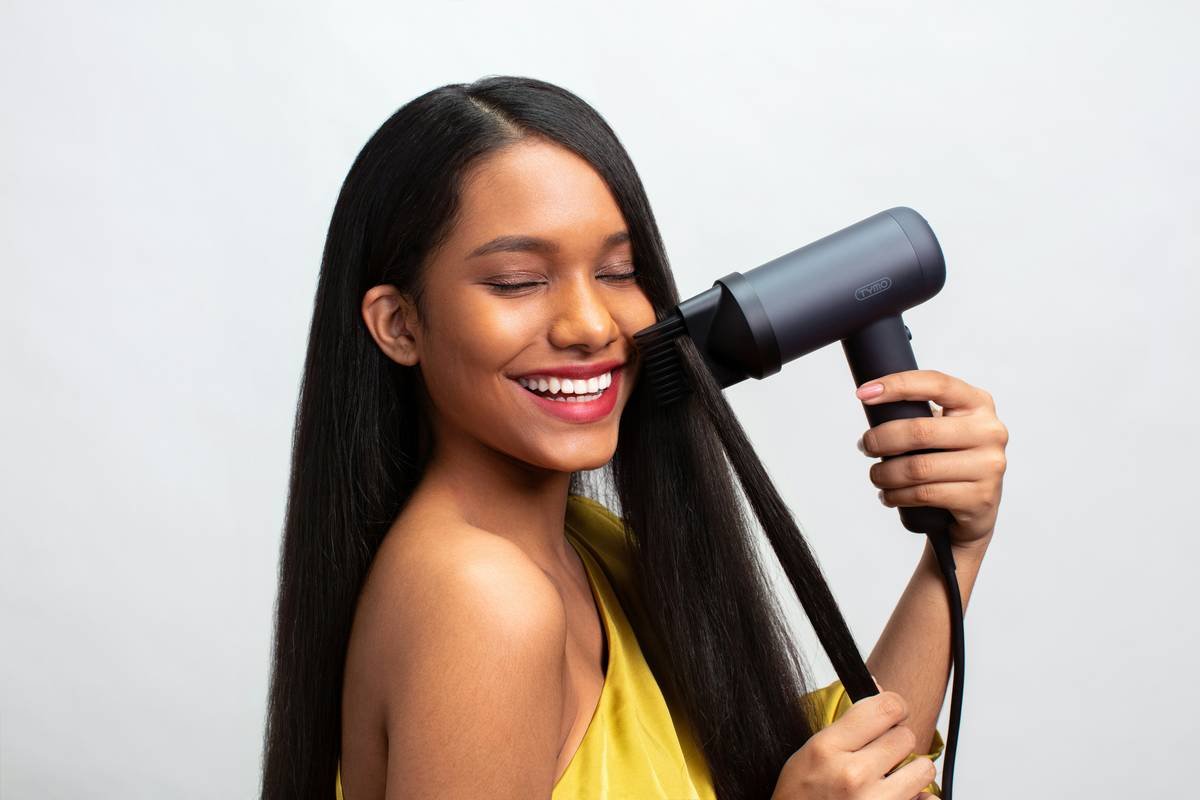
But you don’t need a glam squad. You just need a system—and hair headbands are uniquely positioned to anchor it. Unlike elastics that snap or clips that disappear, a well-chosen headband stays put, protects your strands, and doubles as a styling base.
How to Use Hair Headbands as Your Organizational Power Tool
Think of your hair headband not as an afterthought, but as the foundation of your hair routine. Here’s how to leverage them strategically:
Step 1: Pre-Wash Sectioning
Before shampooing, slip on a soft, wide-band headband to pull hair away from your face. This keeps product runoff off your skin and prevents tangling during rinsing. Bonus: It stops you from instinctively touching your face mid-wash—hygiene win!
Step 2: Post-Wash Drying & Styling Base
After towel-drying, use a microfiber-lined headband to absorb excess moisture at the roots while keeping hair neatly gathered. No more water dripping down your neck during blowouts. Pro tip: Angle it slightly higher than your natural hairline to create instant volume lift.
Step 3: Accessory Curation System
Limit yourself to 3–5 headbands max:
- 1 satin sleep band (for overnight frizz control)
- 1 wide velvet headband (for styling days)
- 1 slim metallic or fabric band (for workouts or minimal looks)
Store them vertically in a shallow tray—no stacking! Stacking bends the internal wire, warping shape and grip.
Optimist You: “Just three headbands? But I love variety!”
Grumpy You: “Ugh, fine—but only if I can rotate seasonal colors. And coffee better be involved.”
5 Non-Negotiable Best Practices for Sustainable Hair Organization
- Inspect Weekly: Check for frayed seams, weakened elasticity, or bent wires. Discard anything questionable—keeping broken accessories breeds clutter.
- Match Material to Purpose: Satin for sleep and delicate hair; velvet for grip during styling; seamless fabric for workouts. Never use rubberized or plastic-heavy bands on wet hair—they cause snags.
- Store Open-Faced: Use drawer dividers or open bins so you see everything at once. Hidden = forgotten = duplicate purchases.
- Clean Monthly: Soak satin/velvet headbands in cool water with mild detergent. Air dry flat. Dirty bands transfer oil and bacteria to your scalp.
- One In, One Out Rule: Buy a new headband? Retire an old one. Keeps your collection intentional and functional.
The Terrible Tip Nobody Should Follow
“Just toss all your hair stuff in a makeup bag!” Nope. Makeup bags are dark, cramped, and encourage tangling. They also expose hair accessories to powder residue and liquid spills—which degrade elastic fibers and stain fabrics. Keep hair gear separate, visible, and ventilated.
Real Case Study: From Hair Hoarder to Headband Heroine
Last year, my client Maya—a busy ER nurse—came to me frustrated. She owned 42 hair ties, 18 clips, and 9 headbands… yet always felt “under-accessorized.” Her styling routine took 25+ minutes daily, often ending with flyaways and a sore scalp.
We implemented a headband-first strategy:
- Donated all worn-out elastics and mismatched clips
- Selected 3 headbands based on her hair type (fine, straight) and lifestyle (12-hour shifts)
- Installed a wall-mounted acrylic organizer beside her mirror
Result? Within two weeks, her average styling time dropped to 13 minutes. Six months later, she reported less breakage at her temples and finally used every item she owned. Her words: “It sounds silly, but having just three good headbands made me feel… in control.”
Hair Organization FAQs—Answered by a Pro Stylist
Can hair headbands really replace other accessories?
For many styles—yes! A wide satin headband can hold hair back during skincare routines, replace claw clips for low buns, and even substitute for scarves in vintage-inspired looks. But for intricate updos, you’ll still need pins. Think “complement,” not “replace all.”
How do I know if a headband is high quality?
Check three things: 1) No exposed metal edges, 2) Seamless inner lining (prevents creasing), 3) Flexible but sturdy wire core that holds shape without digging in. Brands like Slip, Lashify, and Scünci’s velvet line meet these standards.
Do satin headbands reduce hair loss?
Indirectly, yes. Satin minimizes friction during movement (like tossing in bed), which reduces mechanical stress on follicles. The AAD notes that reducing physical trauma is key to preventing non-genetic hair thinning (AAD Hair Loss Guide).
Where should I store my headbands?
On a vanity tray, in a drawer with dividers, or hung on hooks—anywhere they’re visible and not compressed. Avoid humid bathrooms; moisture weakens elastic fibers over time.
Conclusion
Hair organization isn’t about achieving Instagram-perfect drawers—it’s about creating a frictionless system that supports your hair health and saves you real time. By making hair headbands your organizational anchor, you simplify decisions, protect your strands, and eliminate the daily scramble for “that one clip.” Start small: audit your current stash, keep only what serves you, and invest in 2–3 quality headbands that multitask. Your future self (and your hairline) will thank you.
Like a 2000s-era butterfly clip, sometimes the simplest accessory holds everything together.