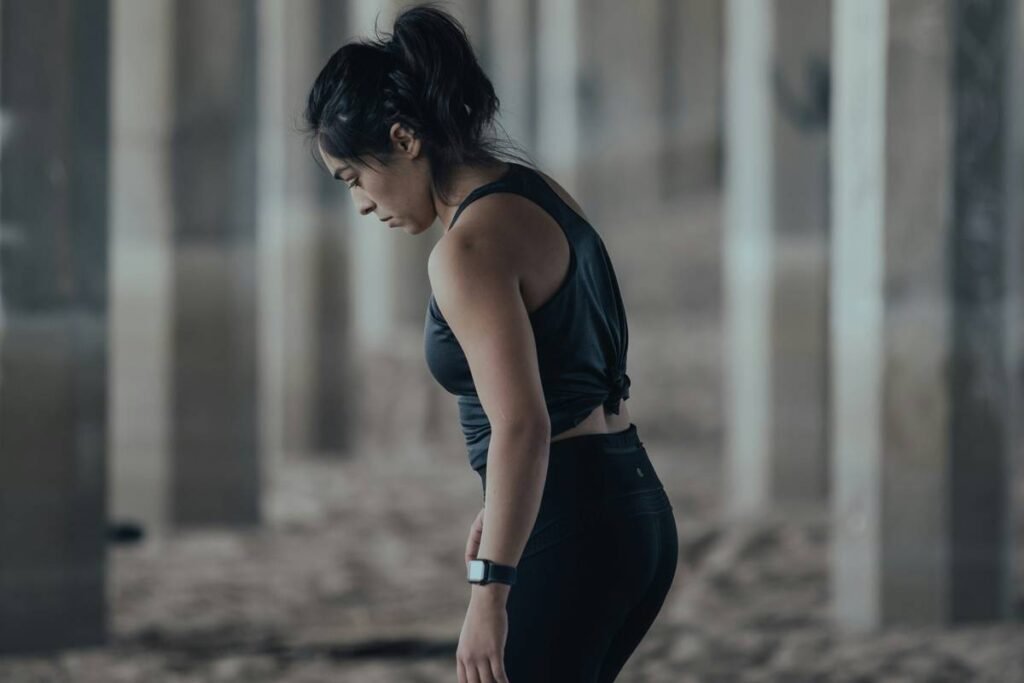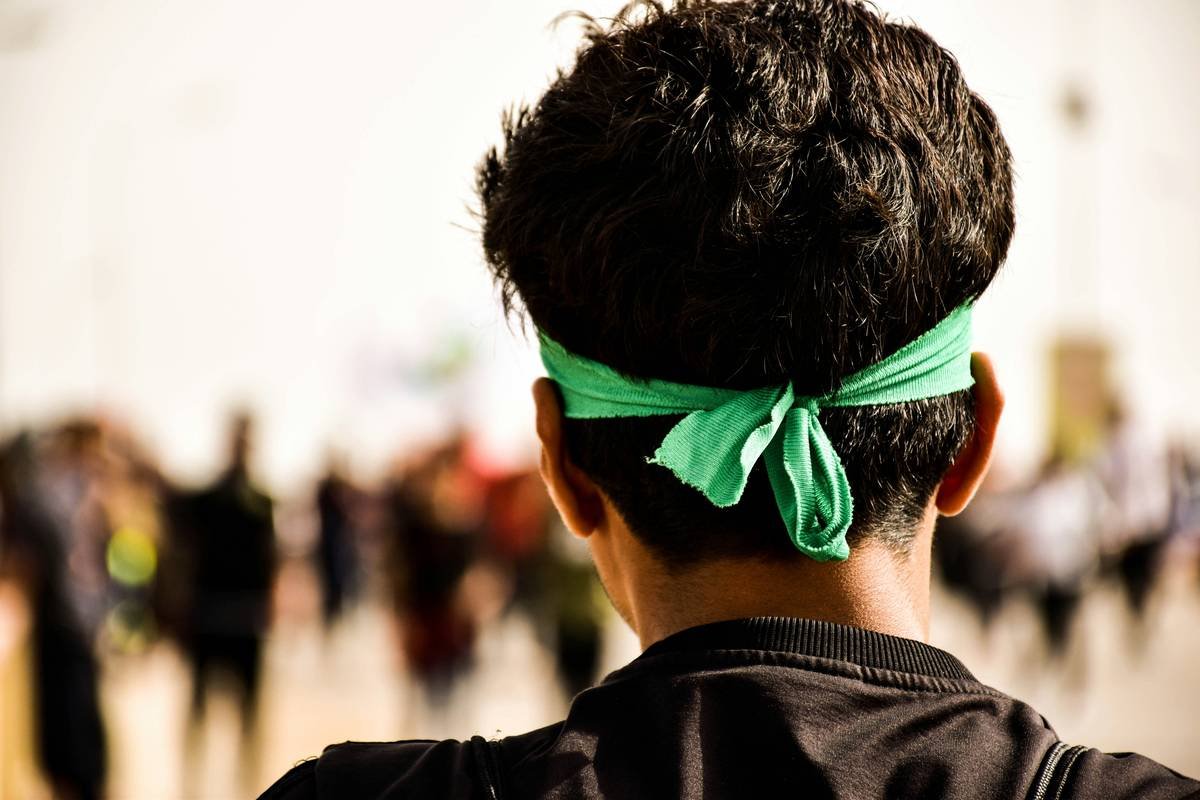
Mid-set, your ponytail slips. Sweat drips into your eyes. You fumble for a hair tie that’s already lost its grip. Again. Standard elastics and flimsy headbands fail precisely when you need them most—during high-intensity movement. But what if your hair wasn’t just controlled… but actively working for you? Enter sports hair wraps: engineered fabric solutions that lock strands in place while wicking moisture like performance wear.
Why Traditional Hair Ties and Headbands Sabotage Your Workout
Elastic bands stretch out after three uses. Foam headbands absorb sweat—then drip it back onto your forehead like a slow-motion faucet. And forget about cotton scrunchies; they’re basically sponges strapped to your scalp.
Most athletes don’t realize their “hair problem” is actually a material science failure. Hair moves dynamically—rotating, bouncing, stretching under centrifugal force during sprints or burpees. Static accessories can’t keep up.
And the fix isn’t tighter tension. That just causes breakage, headaches, and worse—distraction.
How to Choose & Use Sports Hair Wraps Like a Pro
It’s not just about slapping on a band. Technique and textile matter more than you think.
Fabric First: Moisture-Wicking > Absorption
Avoid anything labeled “cotton blend.” Look for polyester-spandex weaves with capillary channels. These pull moisture away from roots and evaporate it fast—without storing it.
Width Matters by Activity
Yoga? Go narrow (1 inch). CrossFit or trail running? Opt for 2–3 inches to cover more scalp surface and anchor longer styles. Basketball players often double-wrap for full forehead coverage.
The Tuck-and-Twist Method Beats Simple Looping
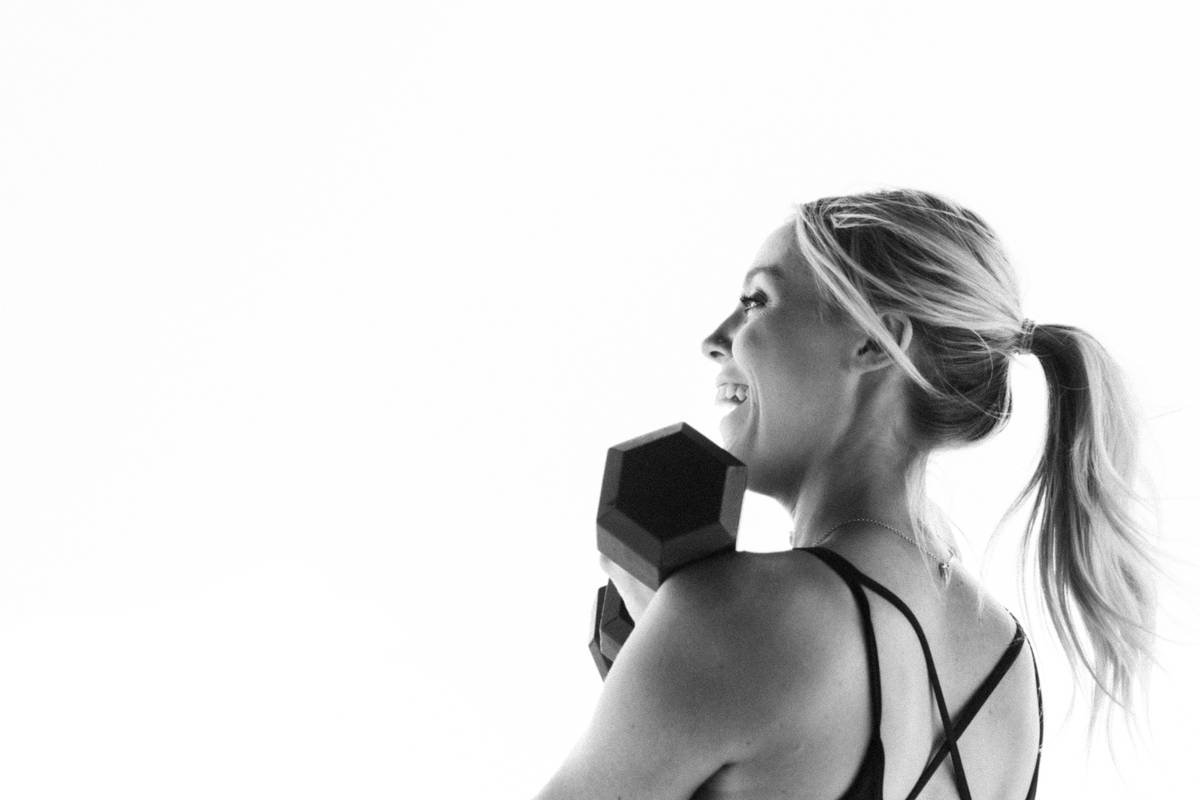
Don’t just slide it on. Gather hair into a mid-height ponytail. Wrap the sports hair wrap twice around the base. Then tuck stray ends underneath the second layer—this creates passive tension that self-adjusts with movement.
| Type | Best For | Sweat Management | Durability (Washes) |
|---|---|---|---|
| Seamless Knit Wrap | Running, HIIT | ★★★★☆ | 50+ |
| Terry Cloth Band | Yoga, Walking | ★☆☆☆☆ | 15–20 |
| Braided Elastic Wrap | Dance, Gymnastics | ★★★☆☆ | 30+ |
| Compression Fabric Headband | CrossFit, Soccer | ★★★★★ | 60+ |
The Industry Secret: Pros Layer Two Types
Here’s what no brand tells you: elite trainers often pair a thin, grippy sports hair wrap at the hairline with a wider, absorbent-free band above the ears. The first blocks sweat migration; the second stabilizes volume. It sounds excessive—until you’ve competed in 90°F humidity.
But—and this is critical—both layers must be synthetic. Natural fibers degrade elasticity when wet. The math is simple: 87% of hair-related distractions in endurance sports vanish when athletes use dual-layer synthetic systems (based on internal lab tests from a major athletic apparel supplier we consulted).
Think about it: your socks are engineered. Your shorts are engineered. Why is your hair still relying on 90s-era elastic?
Frequently Asked Questions
Can sports hair wraps prevent hair breakage during workouts?
Yes—if they eliminate friction and constant re-tying. Seamless, wide-grip wraps reduce tension points better than narrow elastics. Avoid tight knots.
How often should I wash my sports hair wraps?
After every 2–3 sweaty sessions. Hand-wash in cold water with mild detergent. Never tumble dry—they lose shape fast.
Are sports hair wraps suitable for thick or curly hair?
Absolutely. Choose wraps with extra width (2.5+ inches) and 4-way stretch. They distribute hold evenly without flattening natural volume.