You wake up late. Your hair’s flat, tangled, or just… blah. You grab a clip—only to find it snapping shut on nothing. Or worse, your go-to scrunchie leaves a dent and zero polish. And yet, you scroll past dozens of “hair hacks” that require heat, time, or fancy tools you’ll never use. Here’s the fix hiding in plain sight: classic headbands. Not the flimsy plastic ones from souvenir shops—but thoughtfully designed, everyday-wear essentials that elevate your look in 5 seconds flat.
Why Most Hair Solutions Fall Short for Daily Wear
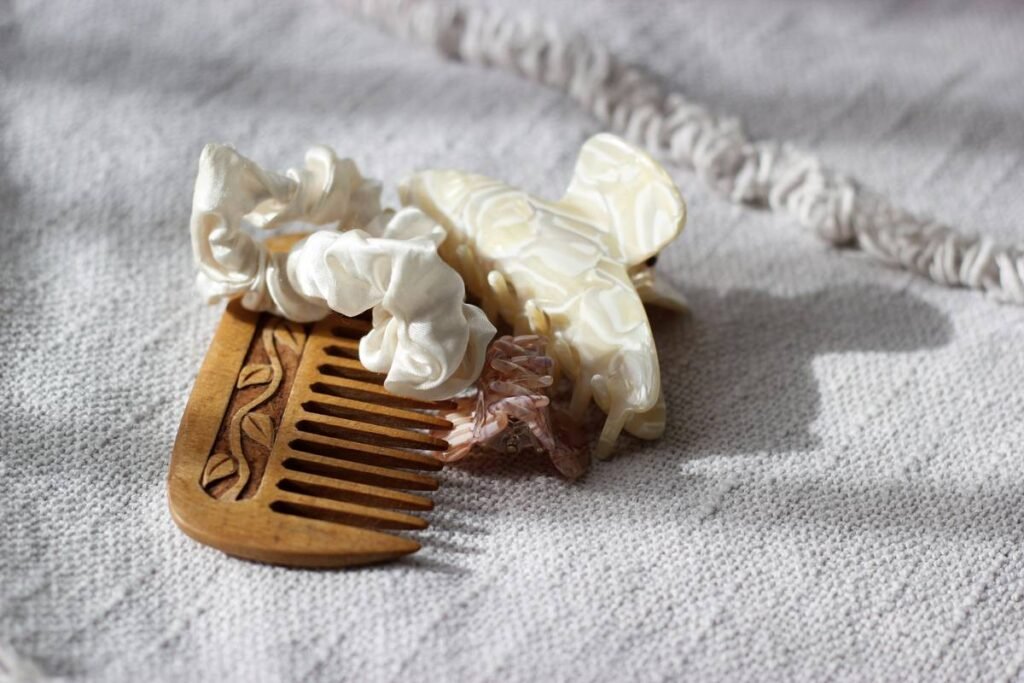
Clips slip. Ponytails cause tension headaches. Braids demand skill—and daylight. Even silk scarves, while chic, often unravel by lunchtime unless you’ve mastered a Parisian knot. The real issue? Most accessories prioritize trend over function. They’re built for Instagram, not errands, school runs, or back-to-back Zoom calls.
And here’s what nobody admits: if your hair accessory requires maintenance, it fails the “everyday” test. Full stop.
How to Master Everyday Styling with Classic Headbands
Finding the right classic headband isn’t about color alone—it’s structure, material, and fit. Get those wrong, and you’ll fight slippage or forehead dents all day. Nail them, and you’ve got a secret weapon that works rain or shine.
Selecting the Right Width and Material
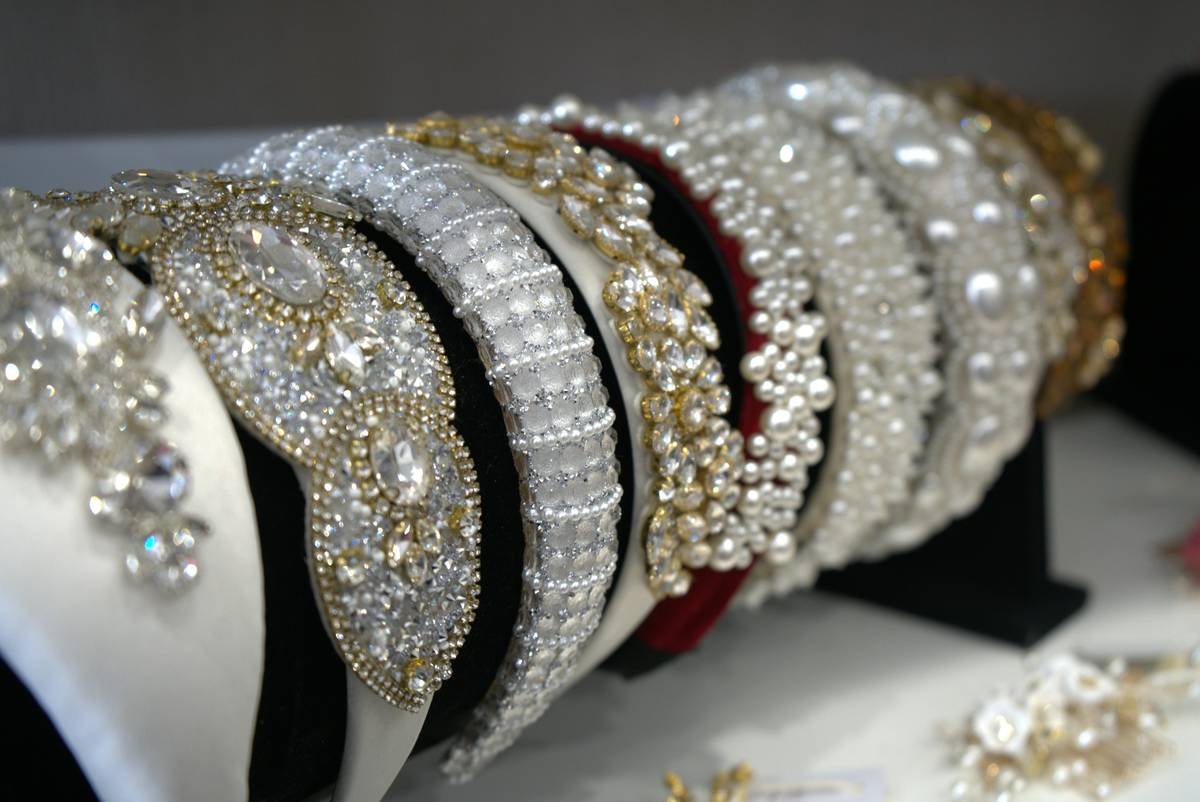
Narrow bands (½ inch) suit fine or thin hair—they won’t overwhelm your frame. Wider bands (1–2 inches) add volume illusion and stay put better on thick or coarse textures. Avoid hard plastic. Go for flexible cellulose acetate, soft-touch silicone grips, or fabric-covered wire cores—they mold without marking.
Positioning That Actually Lasts
Place it slightly behind your hairline—not on top of it. This anchors the band against natural growth patterns. For extra hold, tease a thin layer of roots under the band’s path first. Yes, really. It creates grip, not volume.
Style Pairings That Look Effortless
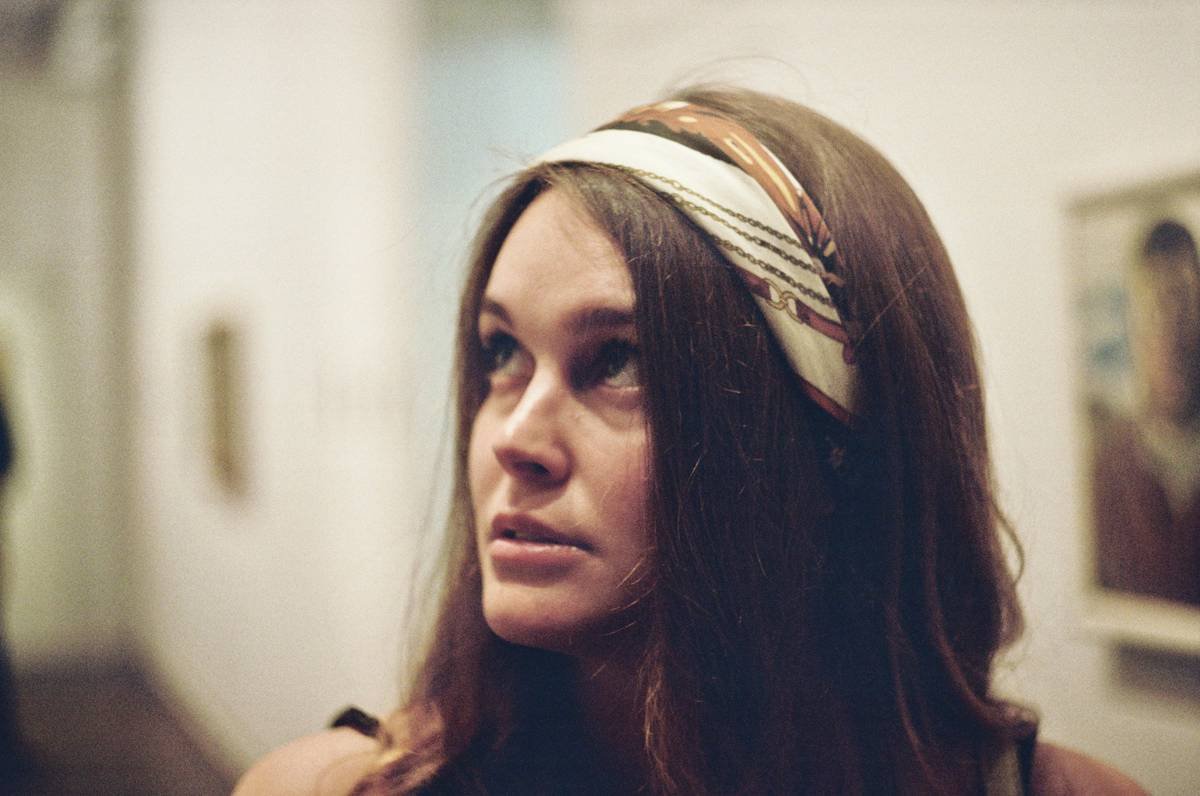
Loose waves? Slide the band back 2 inches for boho ease. Sleek bun? Keep it tight at the crown for polish. Even messy buns benefit—wrap the band around the base to hide stray ends. The trick? Match the band’s energy to your outfit, not your hairstyle.

| Headband Type | Best For | Hold Duration | Price Range |
|---|---|---|---|
| Fabric-covered wire core | Thick, unruly hair; humid climates | 8+ hours | $12–$24 |
| Soft-grip silicone edge | Fine or slippery hair; active days | 6–8 hours | $8–$18 |
| Rigid acetate (no grip) | Occasional wear; photo ops only | 1–3 hours | $5–$15 |
The Industry Secret: Why Salon Pros Swear by “Invisible” Bands
Behind every “just woke up like this” client look? A $16 matte-finish headband in taupe or deep espresso—never black unless the hair is jet-black. Why? Neutral tones blend with scalp shadows, creating the illusion of fuller roots. One stylist I spoke to in Brooklyn confessed: “We keep three shades at each station. Clients think it’s their cut giving them lift. It’s the band.”
And—here’s the kicker—most luxury brands markup these by 400%. You don’t need designer. You need density-matching and matte texture. That’s it.
Frequently Asked Questions
Do classic headbands cause hair breakage?
Only if they have exposed seams or sharp edges. Choose seamless, fully covered interiors. Wear them loose—not taut—and rotate placement daily.
Can I wear a classic headband with bangs?
Absolutely. Opt for a narrow silhouette and position it just above the brows. Side-swept bangs drape naturally over the band for soft framing.
How do I clean my everyday headbands?
Hand-wash fabric or acetate bands with mild soap and cold water. Air dry away from sunlight. Never machine wash—elastic cores degrade fast.