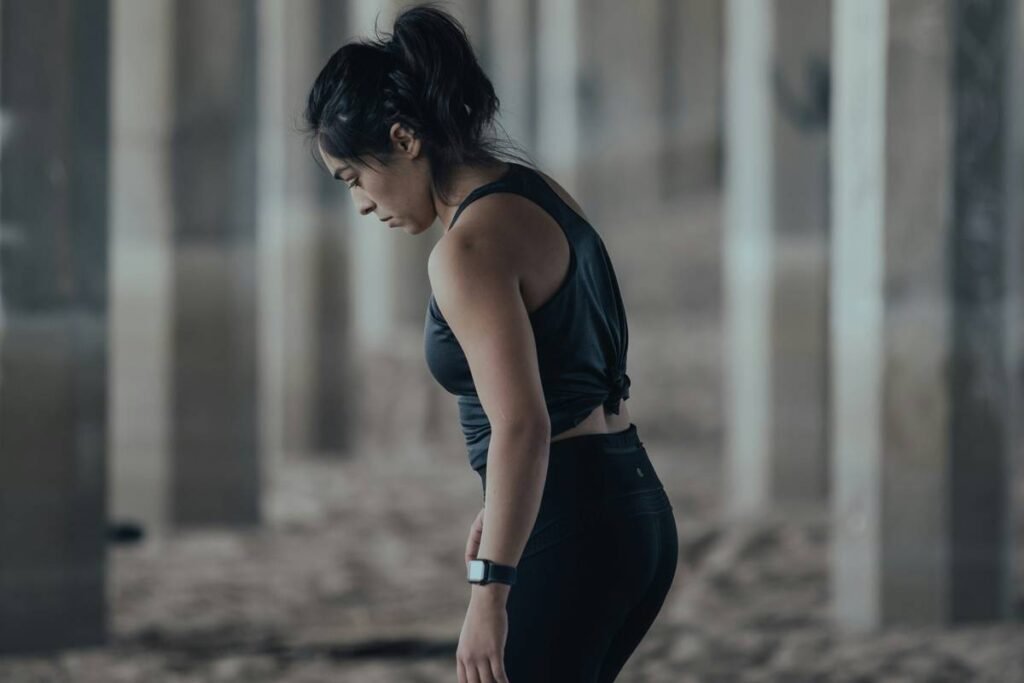
You’re halfway through your HIIT session—heart pounding, endorphins surging—and then it happens. A bead of sweat rolls down your temple, stings your eye, and ruins your focus. Again. Cotton headbands? Useless. Fashion hairbands? Slip right off. The real solution isn’t glamorous—but it’s engineered: sweat-wicking headbands.
The Core Problem: Why Most Headbands Fail Athletes
Most “sports” headbands sold online are style over substance. They look cute in a flat lay but disintegrate under real exertion.
Traditional fabrics like cotton absorb moisture—then hold it. You’re not drying your skin; you’re wearing a damp sponge on your forehead. And when that fabric gets heavy? It slips. Tugs. Irritates.
Dry-fit polyester from big-box brands fares slightly better—but many still lack proper seam placement or elastic memory. Result? Constant readjustment mid-rep. That kills rhythm—and results.
How to Choose & Use Sweat-Wicking Headbands Like a Pro
Picking the right one isn’t about brand hype. It’s about fiber science, fit geometry, and strategic placement.
Fabric Matters More Than You Think
Look for blends with at least 85% polyester or polypropylene. Nylon adds durability but reduces breathability—avoid if you run hot. Some premium options weave in antimicrobial silver ions. Not just marketing fluff—it actually slows odor buildup during multi-day training blocks.
Width Isn’t Just Aesthetic—It’s Functional
Narrow bands (under 1 inch) work for light yoga or cool-weather runs. But for CrossFit, tennis, or trail running? Go 1.5–2 inches wide. More surface area = more sweat capture before overflow.
Seam Placement Can Make or Break Comfort
Flatlock stitching along the front edge prevents chafing during repetitive motion. If the seam sits directly on your hairline? Red marks guaranteed by rep 20.

| Type | Moisture Control | Slip Resistance | Best For |
|---|---|---|---|
| Cotton Hairband | Poor (absorbs, doesn’t release) | Low (stretches out fast) | Casual wear only |
| Basic Polyester Band | Moderate (wicks, but slow drying) | Medium | Light gym sessions |
| Performance Sweat-Wicking Headbands | Excellent (moves moisture outward instantly) | High (silicone grip strips common) | HIIT, running, sports |
| Compression Headband w/ Cooling Gel | Good + thermal regulation | Very High | Hot yoga, marathons, competition days |
The Industry Secret: Pros Double Up—And So Should You
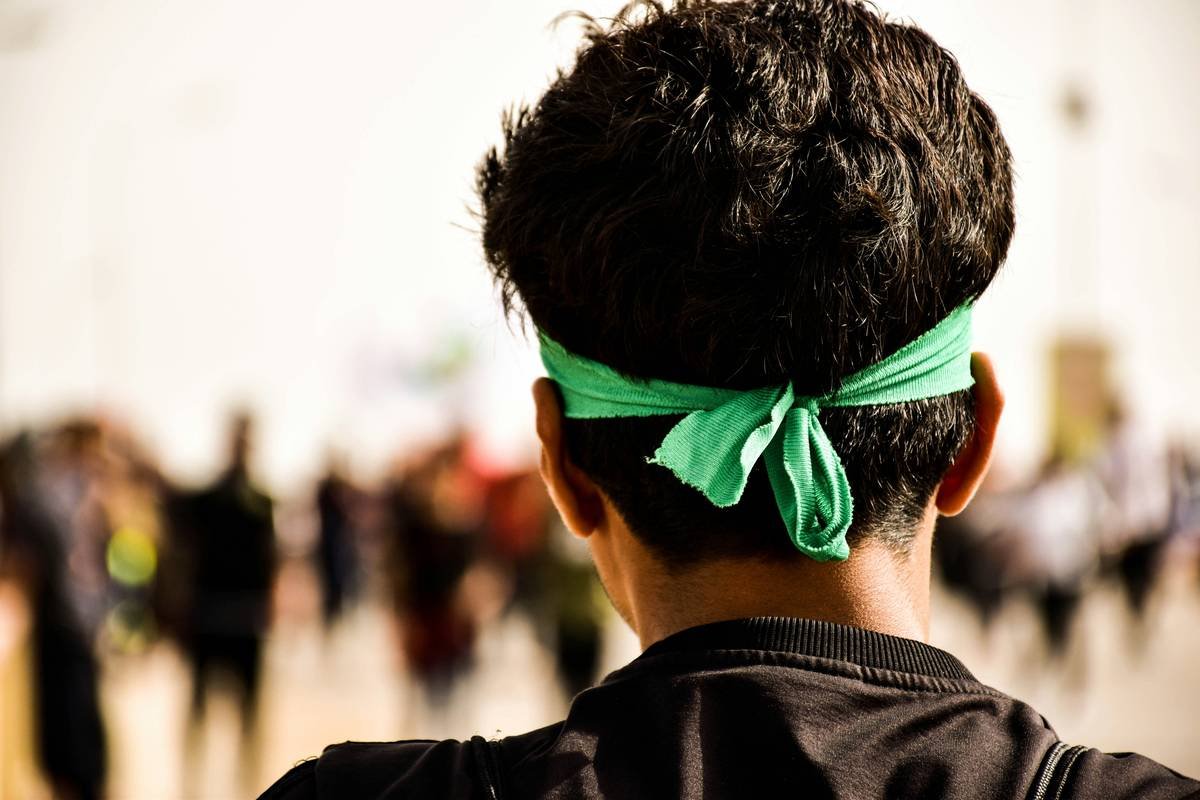
Here’s what product catalogs won’t tell you: elite runners and CrossFit athletes often wear two headbands stacked. One thin micro-band underneath for immediate sweat capture, and a wider outer band for containment and style.
And—but this is key—the inner layer must be seamless and ultra-thin (<2mm). Otherwise, pressure points cause headaches during long efforts. Brands like Skip & Jump engineer their lightweight models specifically for this double-layer system. It’s not redundant. It’s redundancy done right.
Frequently Asked Questions
Do sweat-wicking headbands really prevent sweat from dripping?
Yes—if designed properly. High-performance versions pull moisture laterally across the fabric surface, evaporating it before it reaches your eyes.
How often should I wash my sweat-wicking headband?
After every intense session. Bacteria thrive in trapped sweat. Hand-wash with mild detergent; never use fabric softener—it clogs the wicking fibers.
Can I use these for non-sports activities?
Absolutely. Gardeners, chefs, and even nurses swear by them for all-day moisture control without constant wiping.