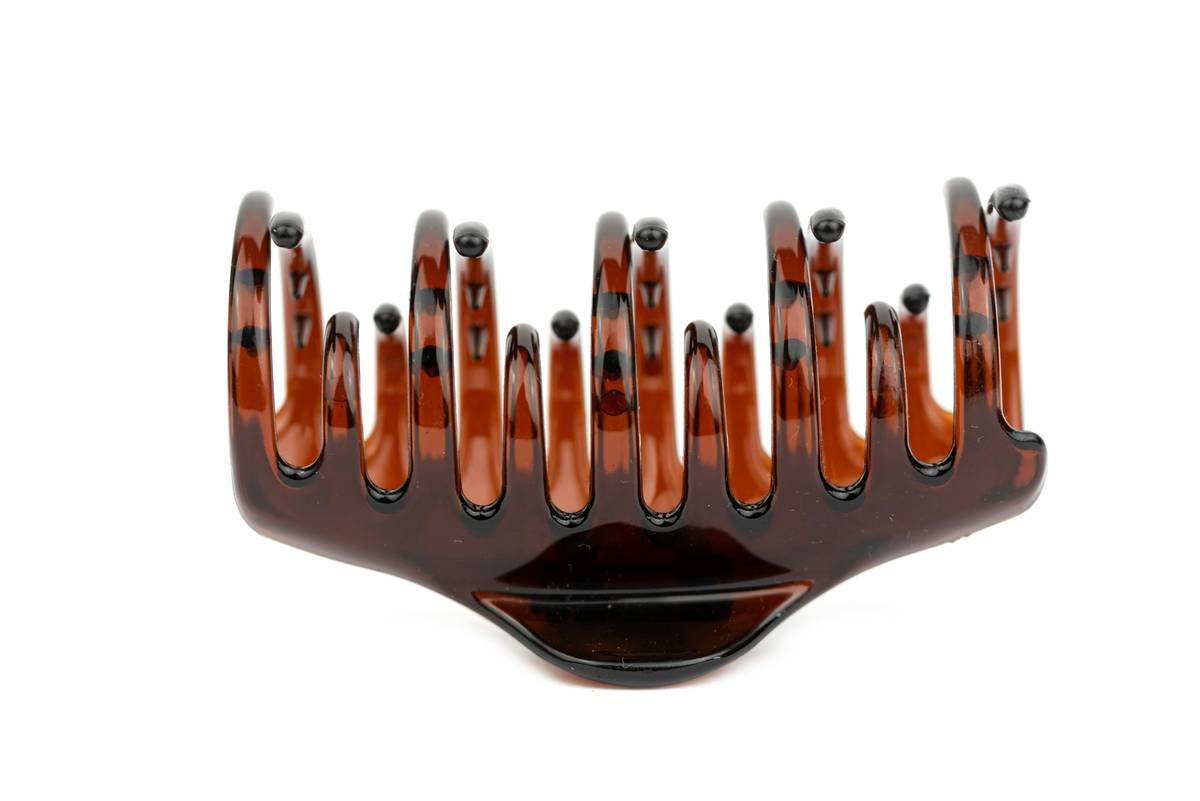
You bought the cutest headbands. You styled with care. Five minutes later—your hair combs slide right out. Frustrating? Absolutely. And it’s not your fault. Most hair combs are designed for display, not durability. The solution isn’t buying more—they’re wasting your money. It’s about choosing smarter and styling differently.
The Real Reason Hair Combs Fail
Mass-market hair combs prioritize aesthetics over anatomy. They ignore how hair actually moves, shifts, and responds to humidity, tension, and texture. Clip mechanisms wear out fast. Teeth are too shallow. Materials warp after one steamy shower.
And worst of all—they treat all hair types the same. Coarse curls need grip. Fine strands need width. Straight hair needs tension control. One-size-fits-all? That’s a myth sold by lazy designers.
How to Make Hair Combs Stay Put: A Stylist-Backed System
Step 1: Match Comb Design to Hair Density
Thin hair? Go wide-tooth with a flexible base. Thick or curly? Opt for narrow teeth with anti-slip silicone grips. Don’t guess—test on dry hair first.
Step 2: Prep Your Section Like a Pro
Never place a comb on loose, unbackcombed hair. Tease lightly at the root just beneath where the comb will sit. This creates micro-resistance—your secret anchor.
Step 3: Angle Matters More Than You Think
Insert the comb at a 45-degree downward angle—not flat against the scalp. This leverages natural hair weight to lock it in place. Flip your head slightly forward as you snap it shut.
| Comb Type | Best For | Grip Rating (1–5) | Longevity (Washes Before Warping) |
|---|---|---|---|
| Plastic Snap Comb | Fine, straight hair | 2 | 8–10 |
| Metal Jaw Comb | Medium to thick textures | 4 | 30+ |
| Silicone-Grip Wide Tooth | Curls & coils | 5 | 25+ |
| Decorative Resin Comb | Occasion-only wear | 1 | 5–7 |
The Industry Secret: Pros Don’t Rely on Combs Alone
Here’s what salons won’t tell you: hair combs are finishers—not foundations. The real hold comes from what’s underneath. A tiny dab of texturizing paste applied at the anchor point boosts friction without stiffness. Not hairspray—that flakes. Paste. Matte. Invisible.
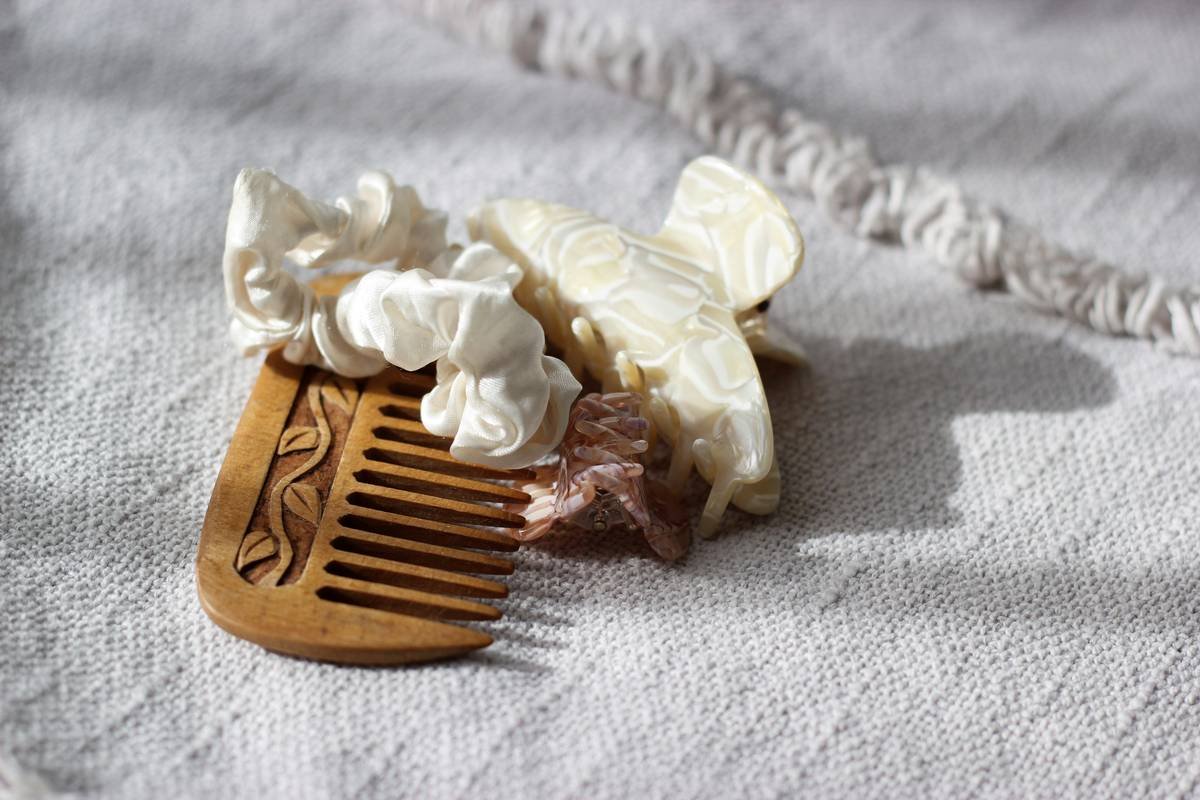
And if you’re using vintage or artisanal hair combs? They often lack modern tension tech. Pair them with a mini claw clip underneath as a hidden support beam. It’s discreet—and doubles wear time.
Frequently Asked Questions
Can hair combs damage your hair?
Yes—if they snag or pull. Avoid combs with sharp edges or weak springs that require excessive force to close. Always remove gently by pressing the release tab, not yanking.
How do you clean hair combs?
Soak in warm water with mild shampoo for 10 minutes. Use an old toothbrush to scrub between teeth. Air-dry completely before storing—moisture breeds bacteria and warps materials.
Are metal hair combs better than plastic?
For hold and durability—yes. Metal resists warping and offers consistent tension. But they’re heavier. Best for medium to thick hair. Fine hair may find them tugging.